Glyco Harmony Official Website › Ingredients
Glyco Harmony Ingredients: The Full Supplement Facts Panel
Chromium at 200 mcg, then eighteen names sharing 7.6 mg. Below is every one of them, what the human research on it actually found, and the dose that research used — because that comparison is the only way to read a proprietary blend.
Glyco Harmony declares 200 mcg of chromium (as chromium picolinate) plus a 7.6 mg proprietary blend containing eighteen named botanical extracts and amino acids.
The blend names maca root, grape seed, guarana seed, African mango seed, eleuthero root, astragalus root, green tea leaf, gymnema leaf, coleus forskohlii root, capsicum fruit, grapefruit, raspberry ketones, L-glutamine, L-tyrosine, L-arginine, beta-alanine, GABA and tryptophan, in descending order by weight. Individual amounts inside the blend are not published, which United States labelling rules permit. The base is vegetable glycerin, water, lemon, stevia, xylitol and natural flavours.
Glyco Harmony supplement facts
| Per 1 ml serving | Amount |
|---|---|
| Chromium (as chromium picolinate) | 200 mcg |
| Proprietary blend | 7.6 mg |
| Maca root extract | † |
| Grape seed extract | † |
| Guarana seed extract | † |
| African mango seed extract | † |
| Eleuthero root extract | † |
| Astragalus root extract | † |
| Green tea leaf extract | † |
| Gymnema leaf extract | † |
| Coleus forskohlii root extract | † |
| Capsicum fruit extract | † |
| Grapefruit | † |
| Raspberry ketones | † |
| L-Glutamine, L-Tyrosine, L-Arginine | † |
| Beta-alanine, GABA, Tryptophan | † |
† Amount inside the proprietary blend not disclosed. Daily Value not established. Other ingredients: vegetable glycerin, purified water, lemon, stevia, xylitol, natural flavours. Confirm against the panel on your own bottle — it is the authority, not this page.
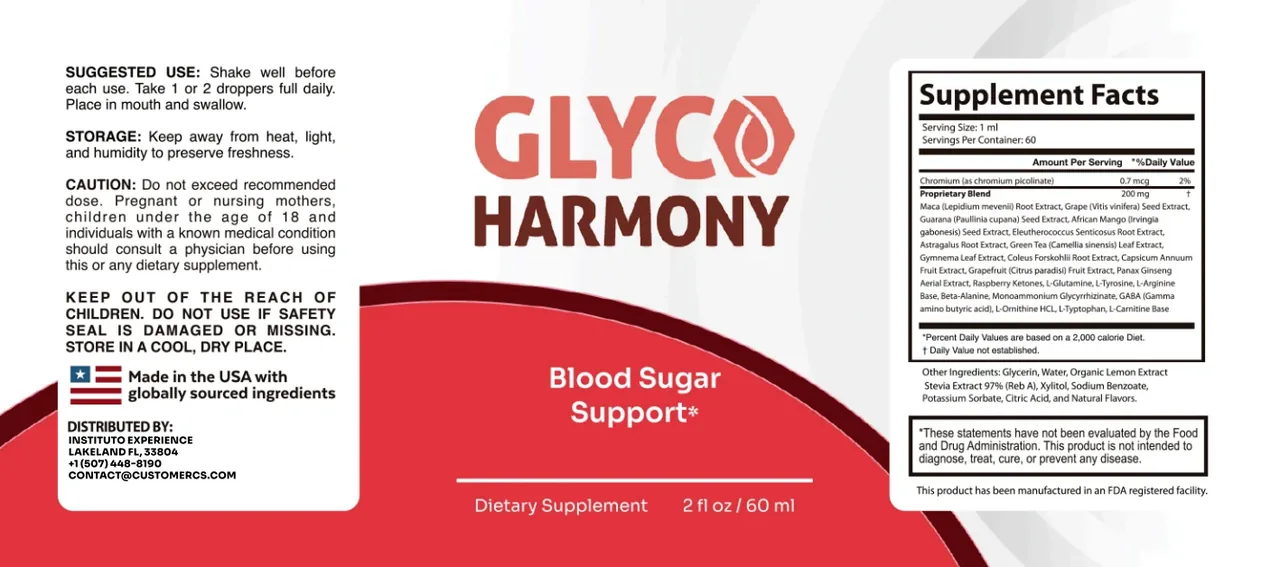
Why “7.6 mg” changes how you should read every Glyco Harmony row below
Under 21 CFR 101.36, a manufacturer may declare a proprietary blend by total weight alone, listing the ingredients inside it in descending order without publishing individual amounts. the FDA labeling guide sets out the same rule. It is legal and it is extremely common.
It also means that when you read “contains gymnema”, you cannot tell whether that is 5 mg or 0.05 mg. What you can do is compare the blend total against the doses used in the research — and that comparison is stark. The gymnema trials use hundreds of milligrams. The African mango trial used 300 mg a day. The forskolin trial used 500 mg. Beta-alanine research is measured in grams. All of those exceed this entire blend, most by a wide margin.
So each entry below gives you two things: what the research found, and what dose it used. Where the answer is “this product cannot be delivering that”, the entry says so.
Every named Glyco Harmony ingredient, with its evidence and its dose
Chromium
200 mcgAs chromium picolinate · Trace mineral
The one ingredient on this label with a number attached to it, and the reason most people buy the bottle. Chromium is an essential trace mineral involved in the action of insulin on carbohydrate, fat and protein metabolism. Evidence: the NIH Office of Dietary Supplements maintains the reference intakes, the food sources and the deficiency picture. A 2015 meta-analysis pooling trials in people with diabetes found small reductions in HbA1c and fasting plasma glucose, and a separate randomized clinical study of chromium picolinate reported the same direction of effect. The caveat that matters: the NIH’s own summary of that literature calls the clinical significance of those reductions unclear, and notes the trials are short and heterogeneous. 200 mcg is a real, conventional supplemental dose — well above the adequate intake of 25–35 mcg for adults — but it is a nutrient, not a medicine, and it does the most for people whose intake was low to begin with.
Sources: NIH Office of Dietary Supplements · 2015 meta-analysis · randomized clinical study
Gymnema Leaf Extract
Inside the 7.6 mg blendGymnema sylvestre · Botanical
Known in Ayurvedic practice as gurmar, ‘sugar destroyer’ — chewing the leaf temporarily blunts the ability to taste sweetness. Evidence: a 2021 systematic review and meta-analysis of ten trials in people with type 2 diabetes reported reductions in fasting and post-meal glucose and in HbA1c against baseline, and a 2019 phytochemical review sets out the gymnemic acid chemistry behind the proposed mechanisms — slowed intestinal glucose absorption and effects on insulin secretion. The caveat that matters: those trials used gymnema at hundreds of milligrams a day, on its own. Here it is one of eighteen names sharing 7.6 mg in total. Whatever fraction of that blend gymnema represents, it is far below any dose that has been tested. We are not going to pretend otherwise.
Sources: 2021 systematic review and meta-analysis · 2019 phytochemical review
Green Tea Leaf Extract
Inside the 7.6 mg blendCamellia sinensis · Botanical
The catechin source on the panel, EGCG being the best studied of them. Evidence: a meta-analysis of twenty-two randomised trials of twenty-two randomised trials found fasting blood glucose fell significantly with green tea catechins, with or without caffeine; a later 2020 systematic review reached a similar conclusion for fasting glucose while finding the HbA1c picture less consistent. NCCIH carries the consumer summary, including the liver-injury reports associated with concentrated green tea extracts taken at high doses. Caution: green tea extract can interact with blood thinners and with some blood pressure medicines, and contributes caffeine alongside the guarana on this panel.
Sources: meta-analysis of 22 trials · 2020 systematic review · NCCIH
African Mango Seed Extract
Inside the 7.6 mg blendIrvingia gabonensis · Botanical
Sold on the strength of one well-known trial rather than a body of literature. Evidence: a 2009 randomised double-blind trial of 102 overweight adults using a standardised 150 mg extract twice daily for ten weeks reported improvements in body weight, waist circumference, blood glucose and leptin against placebo. The caveat that matters: that is 300 mg a day of a standardised extract. It is a single trial, it has not been widely replicated, and the amount here sits inside a 7.6 mg blend. Read the ingredient as a nod to that research, not a delivery of it.
Sources: 2009 randomized double-blind trial
Maca Root Extract
Inside the 7.6 mg blendLepidium meyenii · Botanical
An Andean brassica used as a food crop and, in supplements, as an adaptogen. Evidence: a 2010 systematic review of randomised trials found limited evidence for maca on sexual function and concluded the trial quality was mixed; the blood-sugar literature specifically is thinner still. What we will not say: that maca “balances hormones” or “controls cortisol”. Those phrases appear on plenty of sales pages and they are not what the trials measured. Maca is on this label as a traditional-use inclusion.
Sources: 2010 systematic review
Grape Seed Extract
Inside the 7.6 mg blendVitis vinifera · Botanical
A proanthocyanidin source, the same polyphenol family that gives red wine and dark berries their colour. Evidence: the PRECISE cross-over trial, a double-blind cross-over study in people at risk of type 2 diabetes, used 300 mg of grape seed extract with bilberry for twelve weeks and reported a reduction in blood pressure. Most of the remaining glucose-specific work on grape seed proanthocyanidins is in cell and animal models rather than in people. Caution: may add to the effect of blood thinners.
Sources: PRECISE cross-over trial
Guarana Seed Extract
Inside the 7.6 mg blendPaullinia cupana · Botanical
The caffeine ingredient, and the one to know about if you are sensitive. Guarana seed is roughly two to four times as caffeine-dense as coffee bean by weight. Why it is here: stimulants raise short-term energy and alertness, which is what buyers in the reviews describe when they say the morning drop “lifts the fog”. That is a caffeine effect, not a glucose effect, and calling it one would be dishonest. The caveat that matters: because the blend is 7.6 mg in total, the caffeine here is a small fraction of a cup of coffee — too little to expect a jolt from, and also too little to worry most people. If you are caffeine-sensitive or pregnant, it is still worth knowing it is present. NCCIH sets out how to read botanical labels of this kind.
Sources: NCCIH
Eleuthero Root Extract
Inside the 7.6 mg blendEleutherococcus senticosus · Botanical
Formerly sold as “Siberian ginseng”, though it is not a ginseng. Evidence, stated plainly: a 2025 pharmacological review of the plant’s phytochemistry and pharmacology concludes that the heterogeneity and low quality of the human trials, together with the absence of proper standardisation, make its effectiveness impossible to assess. The European herbal monograph accepts it for fatigue during convalescence and lists arterial hypertension as a contraindication. That is the whole honest picture. It is a traditional inclusion with weak clinical support.
Sources: 2025 pharmacological review
Astragalus Root Extract
Inside the 7.6 mg blendAstragalus membranaceus · Botanical
A staple of traditional Chinese medicine, usually sold for immune support. Evidence: NCCIH summarises the position — astragalus has been studied for several conditions but the human research is limited and no use is well established. Caution: it may interact with immunosuppressant medication. Not a glucose ingredient in any meaningful sense; it is on the panel as a general tonic botanical.
Sources: NCCIH
Coleus Forskohlii Root Extract
Inside the 7.6 mg blendPlectranthus barbatus · Botanical
The forskolin source. Forskolin activates adenylate cyclase, which raises cyclic AMP inside cells — a genuine and well-characterised biochemical action. Evidence: a 2015 randomised controlled trial gave 250 mg of extract twice daily for twelve weeks alongside a reduced-calorie diet and recorded modest changes in metabolic syndrome risk factors, though the placebo group also improved on several measures. The caveat that matters: 500 mg a day of standardised extract against a fraction of 7.6 mg is not a comparison worth making. Forskolin also lowers blood pressure — speak to a pharmacist if you take medication for it.
Sources: 2015 randomized controlled trial
Capsicum Fruit Extract
Inside the 7.6 mg blendCapsicum annuum · Botanical
Red pepper, for its capsaicinoids. Evidence: a 2012 critical review and meta-analyses of human studies found capsaicin and capsiate do increase energy expenditure and fat oxidation, and suppress appetite — while stating clearly that the magnitude of those effects is small. A later analysis put the resting metabolic rate difference at roughly 34 kcal a day. Read that number carefully: 34 kcal is about half a slice of bread, from doses far larger than anything a 7.6 mg blend can carry. This is a seasoning-level inclusion.
Grapefruit & Raspberry Ketones
Inside the 7.6 mg blendCitrus paradisi · 4-(4-hydroxyphenyl)butan-2-one · Botanical
Two ingredients we are not going to dress up. Raspberry ketone has essentially no human trial evidence for weight or glucose — its reputation rests on rodent and cell studies. Grapefruit appears on many metabolic blends for its flavonoids and its flavour. The caution that genuinely matters here: grapefruit inhibits the CYP3A4 enzyme and interacts with a long list of prescription medicines, including statins, some blood pressure drugs and some immunosuppressants. The amount inside a 7.6 mg blend is almost certainly far too small to matter clinically, but if you have been told to avoid grapefruit, show this label to your pharmacist rather than guessing. The NIH Office of Dietary Supplements explains how to approach that conversation.
Sources: NIH Office of Dietary Supplements
The Free Amino Acids
Inside the 7.6 mg blendL-Glutamine, L-Tyrosine, L-Arginine, Beta-alanine, GABA, Tryptophan · Amino acids
Six amino acids sit in the blend alongside the botanicals. Each has a real, documented role in the body — tyrosine as a catecholamine precursor, tryptophan as a serotonin precursor, arginine in nitric oxide production, glutamine in gut and immune metabolism, beta-alanine in muscle carnosine, GABA as an inhibitory neurotransmitter. The arithmetic problem: the studied doses for these compounds are measured in grams. Beta-alanine trials use 4–6 g a day. Tyrosine studies use 100–150 mg per kilogram of body weight. Six of them sharing part of 7.6 mg is between one hundred and one thousand times below those amounts. They are on the label; they are not doing what the research on them describes, and no honest page can claim they are.
Sources: NCCIH

Every page, every journal post, the bottle facts and the ingredients go through review by Dr. Shira Eytan, MD, FACE before they ship. We write these pages from the Glyco Harmony label and the manufacturer’s own lot paperwork, cite public nutrient references for every named ingredient, and print “not published” wherever a figure is not disclosed rather than estimating it — which, on a 7.6 mg proprietary blend, is most of the panel. Corrections are made on the page itself and the review date moves forward — write to [email protected]. Last reviewed September 2026 by Dr. Shira Eytan, MD, FACE.
Glyco Harmony references
- National Institutes of Health, Office of Dietary Supplements. Chromium: fact sheet for health professionals. https://ods.od.nih.gov/factsheets/Chromium-HealthProfessional/
- Suksomboon N, Poolsup N, Yuwanakorn A. Effect of chromium supplementation on glycated haemoglobin and fasting plasma glucose in patients with diabetes mellitus. 2015. https://www.ncbi.nlm.nih.gov/pmc/articles/PMC4430034/
- Paiva AN, et al. Beneficial effects of oral chromium picolinate supplementation on glycemic control in patients with type 2 diabetes: a randomized clinical study. Journal of Trace Elements in Medicine and Biology. 2015. https://pubmed.ncbi.nlm.nih.gov/26302914/
- Devangan S, et al. The effect of Gymnema sylvestre supplementation on glycemic control in type 2 diabetes patients: a systematic review and meta-analysis. Phytotherapy Research. 2021. https://pubmed.ncbi.nlm.nih.gov/34467577/
- Khan F, et al. Comprehensive review on phytochemicals, pharmacological and clinical potentials of Gymnema sylvestre. Frontiers in Pharmacology. 2019. https://www.ncbi.nlm.nih.gov/pmc/articles/PMC6830388/
- Zheng XX, et al. Effects of green tea catechins with or without caffeine on glycemic control in adults: a meta-analysis of randomized controlled trials. American Journal of Clinical Nutrition. 2013. https://pubmed.ncbi.nlm.nih.gov/23426037/
- Yu J, et al. Effects of green tea consumption on glycemic control: a systematic review and meta-analysis of randomized controlled trials. Nutrition & Metabolism. 2020. https://www.ncbi.nlm.nih.gov/pmc/articles/PMC7350188/
- National Center for Complementary and Integrative Health. Green tea. https://www.nccih.nih.gov/health/green-tea
- Ngondi JL, Etoundi BC, Nyangono CB, Mbofung CM, Oben JE. IGOB131, a novel seed extract of the West African plant Irvingia gabonensis, significantly reduces body weight and improves metabolic parameters in overweight humans. Lipids in Health and Disease. 2009. https://pubmed.ncbi.nlm.nih.gov/19254366/
- Shin BC, Lee MS, Yang EJ, Lim HS, Ernst E. Maca (L. meyenii) for improving sexual function: a systematic review. BMC Complementary and Alternative Medicine. 2010. https://pubmed.ncbi.nlm.nih.gov/20691074/
- A grape seed and bilberry extract reduces blood pressure in individuals at risk of developing type 2 diabetes: the PRECISE study, a double-blind placebo-controlled cross-over intervention study. 2023. https://www.ncbi.nlm.nih.gov/pmc/articles/PMC10283353/
- Eleutherococcus root: a comprehensive review of its phytochemistry and pharmacological potential in the context of its adaptogenic effect. 2025. https://www.ncbi.nlm.nih.gov/pmc/articles/PMC12605232/
- National Center for Complementary and Integrative Health. Astragalus. https://www.nccih.nih.gov/health/astragalus
- Loftus HL, Astell KJ, Mathai ML, Su XQ. Coleus forskohlii extract supplementation in conjunction with a hypocaloric diet reduces the risk factors of metabolic syndrome in overweight and obese subjects: a randomized controlled trial. Nutrients. 2015. https://pubmed.ncbi.nlm.nih.gov/26593941/
- Whiting S, Derbyshire E, Tiwari BK. The effects of capsaicin and capsiate on energy balance: critical review and meta-analyses of studies in humans. Appetite. 2012. https://www.ncbi.nlm.nih.gov/pmc/articles/PMC3257466/
- U.S. Government Publishing Office, eCFR. 21 CFR 101.36 — Nutrition labeling of dietary supplements. https://www.ecfr.gov/current/title-21/chapter-I/subchapter-B/part-101/subpart-C/section-101.36
- U.S. Food and Drug Administration. Dietary supplement labeling guide: Chapter IV, nutrition labeling. https://www.fda.gov/food/dietary-supplements-guidance-documents-regulatory-information/dietary-supplement-labeling-guide-chapter-iv-nutrition-labeling
- U.S. Food and Drug Administration. Questions and answers on dietary supplements. https://www.fda.gov/food/information-consumers-using-dietary-supplements/questions-and-answers-dietary-supplements
- National Institute of Diabetes and Digestive and Kidney Diseases. Diabetes Prevention Program (DPP). https://www.niddk.nih.gov/about-niddk/research-areas/diabetes/diabetes-prevention-program-dpp
- National Center for Complementary and Integrative Health. Dietary and herbal supplements. https://www.nccih.nih.gov/health/dietary-and-herbal-supplements
- National Institutes of Health, Office of Dietary Supplements. Dietary supplements: what you need to know. https://ods.od.nih.gov/factsheets/WYNTK-Consumer/
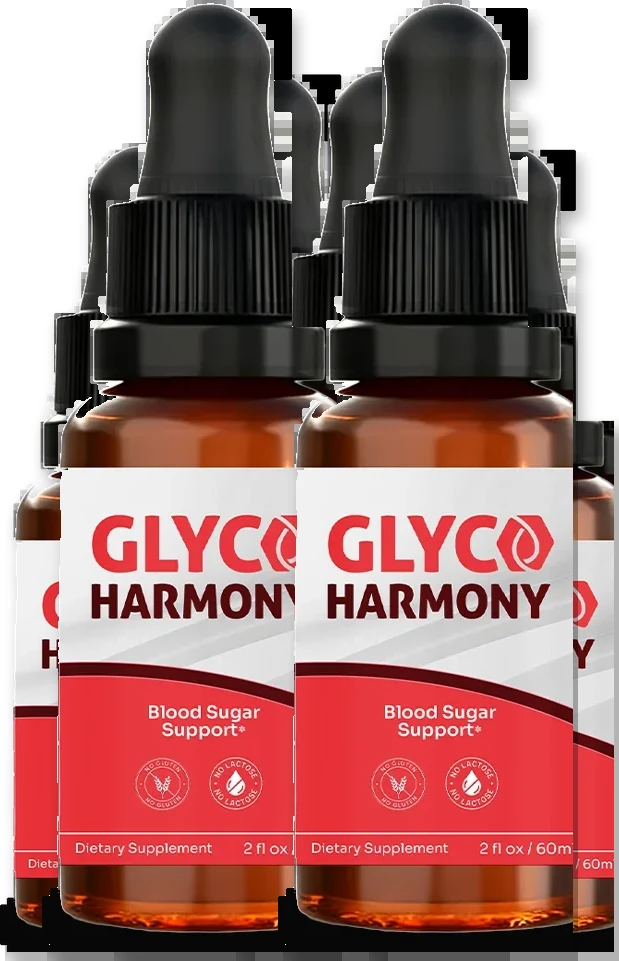
The Glyco Harmony panel is what it is. Now decide.
One published amount, eighteen names inside a small blend, and a lemon-flavoured drop you either keep taking or you do not. Sixty days is long enough to find out.
$294 — six bottles at $49 each
Order Glyco Harmony On The Official WebsiteFree US shipping · six digital bonuses · 60-day money-back guarantee · lot GH.26.Q3.NY.3304